
MoneyByte Points
- AI humanoids are moving from prototypes to real-world business use.
- Tesla, Agility Robotics, and SoftBank are leading innovation.
- The humanoid robot market could exceed $13 billion by 2028.
- Ethical, legal, and technical challenges must be addressed.
- Integration with generative AI will make humanoids more versatile.
The rise of AI humanoids in business is no longer science fiction. These advanced robots, designed with human-like appearance and behaviors, are beginning to play a tangible role in customer service, healthcare, logistics, and even creative industries. With companies like Tesla (Optimus) and Agility Robotics (Digit) pushing the boundaries, the next decade could see humanoid robots becoming a regular presence in the workplace.
What Are AI Humanoids?
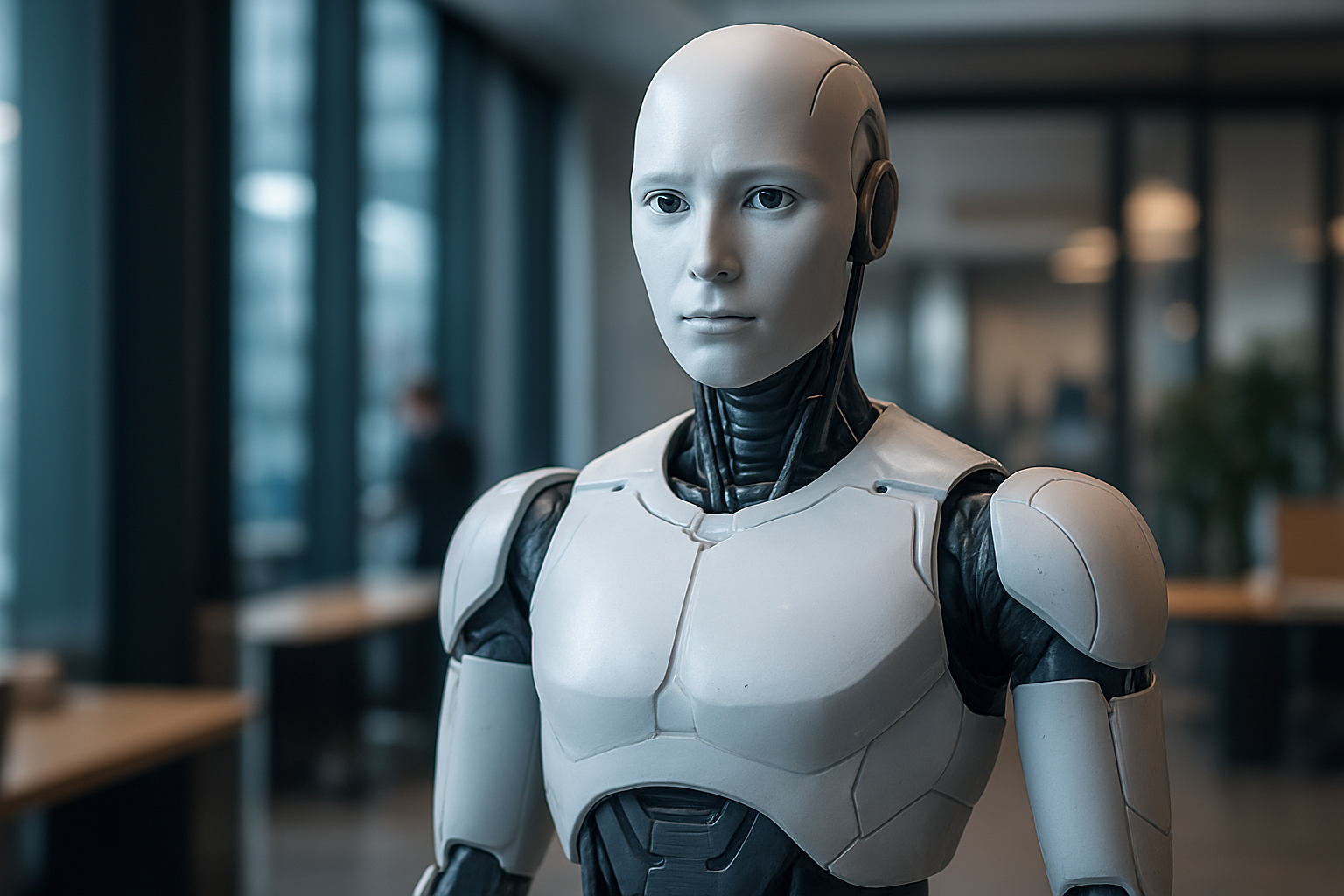
AI humanoids are robots that combine physical design modeled after humans with artificial intelligence to interact naturally with people. Unlike traditional robots limited to repetitive tasks, humanoids can:
- Understand speech and respond through natural language processing.
- Recognize faces and emotions.
- Perform complex movements and adapt to unstructured environments.
Notable examples include Tesla’s Optimus, Agility Robotics’ Digit, and Ameca by Engineered Arts.
Current Applications of AI Humanoids in Business
- Customer Service: Humanoids like SoftBank’s Pepper are being used in retail to greet and assist customers.
- Healthcare: Humanoid robots assist with elder care, rehabilitation, and providing companionship.
- Manufacturing & Logistics: Digit, for example, is being tested by Amazon to move packages in warehouses.
- Hospitality: Hotels in Asia and Europe are experimenting with humanoid receptionists and guides.
Market Growth and Future Outlook
According to MarketsandMarkets, the humanoid robot market is projected to grow from $1.8 billion in 2023 to over $13.8 billion by 2028. The expansion is fueled by AI advancements, labor shortages, and the demand for automation across industries.
Expectations for the next 5 years:
- Integration with Generative AI: Humanoids will become more conversational and context-aware.
- Expanded Workforce Roles: From construction to office assistants, humanoids will diversify.
- Ethical and Legal Frameworks: Governments will need policies on liability, rights, and workplace coexistence.
For related insights, explore our post on Agentic AI in Finance and how AI is shaping industries beyond robotics.
Challenges Facing AI Humanoids
- High Costs: Building and maintaining humanoids is expensive, limiting widespread adoption.
- Ethical Concerns: Questions about replacing human workers and dependency on machines.
- Technical Limitations: Battery life, dexterity, and adaptability are still under development.
🔗 Read more on AI humanoids in this World Economic Forum article.
Disclaimer
This article is for informational purposes only and does not constitute financial advice.